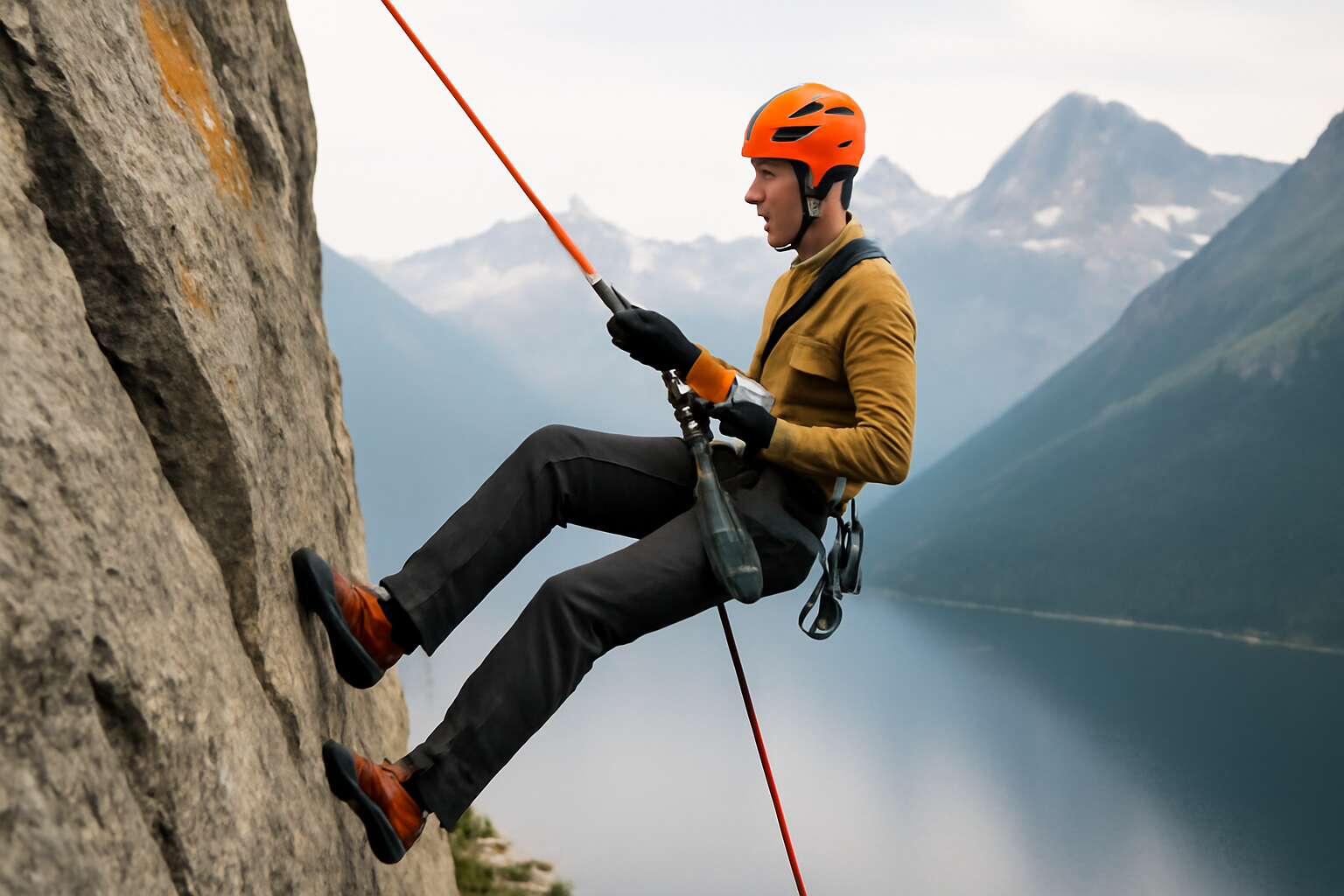
Understanding Abseiling: A Beginner’s Guide
What is Abseiling?
In the realm of adventure sports, few pursuits evoke the same sense of awe and mastery as abseiling—an ancient art reimagined through modern abseil technique. Picture yourself standing at the precipice of a towering cliff, the vast expanse of South Africa’s rugged landscapes stretching endlessly below. It’s here, in this moment of suspended serenity, that the true essence of abseiling is revealed. Understanding abseiling involves more than just descending a vertical surface; it is a dance with gravity, a harmonious blend of precision and trust.
The core of effective abseil technique lies in meticulous preparation and a keen awareness of safety. A seasoned abseiler seamlessly integrates body positioning, controlled braking, and rope management, transforming a potentially daunting descent into an elegant glide. Whether navigating limestone crags in the Drakensberg or urban façades, mastery over this technique ensures not only safety but also unlocks the full thrill of exploration. Embracing the intricacies of abseiling opens doors to uncharted adventures and boundless horizons.
History and Evolution of Abseiling Techniques
Throughout history, the act of descending vertical surfaces has been woven into human ingenuity and adventure. Abseiling, or rappelling as it is sometimes called, originated from military and rescue operations where swift, controlled descents were essential. Over the decades, the evolution of abseil technique has transformed this practical skill into a revered art form, blending precision with daring. Today, modern abseil technique incorporates a symphony of body positioning, controlled braking, and seamless rope management—each element vital to a smooth and safe descent.
In South Africa’s rugged wilderness, the mastery of abseil technique unlocks a world of exploration across limestone crags, urban façades, and breathtaking cliffs. Its development can be traced through innovations like the figure-eight descender and the modern belay device, which have enhanced safety and efficiency. As the discipline matured, so did the understanding that mastering abseiling is not just about technique but about trusting oneself amidst nature’s grandeur. This deep-rooted history and continuous evolution make abseiling a captivating pursuit that marries human resilience with the timeless allure of adventure.
Essential Equipment for Abseil Technique
Harnesses and Carabiners
When it comes to mastering the abseil technique, having the right gear isn’t just a good idea—it’s survival 101! Your harness and carabiners are the backbone of safe and smooth descents, transforming what could be a nerve-wracking ordeal into a controlled glide down the cliff face. Think of them as your trusty sidekicks, ready to catch you when gravity has other plans.
The harness should fit snugly without feeling like a straitjacket—comfort and security go hand in hand when executing the perfect abseil. Opt for a harness with adjustable leg loops and reinforced gear loops, because you never know when you’ll need to clip in that extra piece of equipment. As for carabiners, go for those with a locking mechanism—trust me, nothing kills the vibe faster than a rogue carabiner slipping off during a rappel.
- Double-locking carabiners for added safety
- Durable harness with padded waist belt
- Gear loops for quick access to essential equipment
When choosing your equipment, quality should never be compromised—skimping here could turn a thrilling abseil into a dangerous mishap. After all, mastering the abseil technique requires more than just confidence; it demands reliable gear that can handle the rugged South African outdoors and the unpredictable twists of the terrain.
Ropes and Anchors
In the shadowed realm of abseil technique, the ropes and anchors form the silent guardians of each descent. These elements are not merely accessories but the very arteries of safety, whispering secrets of the mountain’s dark heartbeat. When venturing into South Africa’s rugged terrains—where jagged cliffs and unpredictable weather test every skill—the importance of choosing the right ropes and anchors cannot be overstated. They serve as the critical link between you and the abyss, ensuring a controlled glide rather than a frantic tumble into the unknown.
The ropes must be robust, designed specifically for abseiling, with a core that resists abrasion and a sheath that offers flexibility. Anchors, often overlooked, are the unseen sentinels—powerful points of attachment that must withstand the relentless pull of gravity. To reinforce your safety, consider the following:
- High-grade dynamic or static ropes tailored for abseil technique
- Reliable anchors such as bolts, natural features, or reinforced trees
- Backup systems like redundant anchors or knots for added security
Mastering the abseil technique is a dance with danger, where every knot and anchor holds the promise of safety amid the shadows. In the wilderness of South Africa, with its wild, untamed beauty, the integrity of your ropes and anchors becomes the silent guardian of every descent into the darkness below.
Descenders and Belay Devices
In the intricate ballet of abseil technique, the core gear that anchors each controlled descent transforms from mere equipment into a conduit of trust and precision. Among these, descenders and belay devices stand as the silent architects of safety, their design intricacies woven into the fabric of every rappel. These devices are not just tools but extensions of the climber’s intent—channels through which control, speed, and confidence flow seamlessly.
Choosing the right abseil technique demands an intimate understanding of your gear’s capabilities. Reliable descenders, such as figure-eight devices or assisted-braking options, provide the finesse needed to navigate South Africa’s rugged landscapes—where jagged cliffs challenge every maneuver. Belay devices, often overlooked, serve as the pivotal link that moderates your descent, offering a delicate balance between momentum and restraint.
For optimal safety and efficiency, consider these key features when selecting your equipment:
- Durable, high-quality materials capable of withstanding the abrasive forces encountered in South African terrain
- Ease of use, especially in high-stakes environments where swift action is essential
- Compatibility with various rope diameters to adapt to different abseil scenarios
Mastering the abseil technique hinges on the symbiotic relationship between human skill and sophisticated gear—each descent a testament to the harmony of trust and technology. In this dance of shadows and light, descenders and belay devices forge the pathway into the unknown, offering both adventure and unwavering security.
Additional Safety Gear
While mastering the abseil technique is crucial, equipping oneself with the right safety gear elevates the experience from mere adventure to a dance of trust and precision. Beyond the core equipment, additional safety gear acts as a safeguard against the unpredictable, especially when navigating South Africa’s rugged terrains and jagged cliffs. A comprehensive approach ensures that each rappel is not only smooth but also infused with confidence.
Essential safety gear includes a high-quality helmet to protect against falling debris and accidental impacts. Gloves designed specifically for abseiling provide grip and prevent rope burns, allowing for more controlled descents. For added security, harnesses with reinforced padding and adjustable straps contribute to comfort and safety during prolonged abseil sessions. In challenging environments, consider carrying a secondary anchor or backup rappel device as a precautionary measure.
In the pursuit of flawless abseil technique, a few accessories can make all the difference:
- Personal flotation devices for water crossings
- Prusik cords for self-rescue scenarios
- Rope protectors to shield the main line from abrasive surfaces
When every element of safety gear is meticulously chosen, the abseil technique transforms into a harmonious blend of human skill and technological mastery—turning each descent into a breathtaking voyage into the unknown.
Step-by-Step Guide to Proper Abseil Technique
Preparing Your Equipment and Environment
Mastering the abseil technique isn’t just about hanging off a cliff and hoping for the best; it’s about preparing your equipment and environment with the precision of a Swiss watchmaker. Before you even think about gliding down, take a moment to inspect your gear — a loose carabiner here or a frayed rope there can turn your adrenaline-fueled descent into a disaster movie. Ensuring your anchor points are rock-solid is paramount, especially in South Africa’s rugged terrains where nature’s unpredictability reigns supreme.
Once your gear is checked and double-checked, it’s time to set the scene for a safe abseil. Clear the area of any loose rocks or debris — Mother Nature loves throwing curveballs. Remember, the environment plays a starring role in your abseil technique; a stable, secure setup is the foundation of a successful descent. To make sure nothing slips through the cracks, consider a quick checklist of essentials:
- Reliable anchor points
- Appropriate rope length and type
- Properly secured harnesses and descenders
- Backup safety systems, just in case
When you’ve got everything primed, you’re ready to execute your abseil technique with confidence. Safety first, of course — after all, the ultimate goal isn’t just getting down, but doing so without turning your adventure into a slapstick comedy. Proper preparation transforms an intimidating descent into a smooth, controlled glide down the face of the cliff. And trust me, that’s the kind of experience every adventurer dreams of—minus the splinters and panic attacks.
Setting Up the Anchor Point
Establishing a secure anchor point is the cornerstone of mastering the abseil technique, especially amidst South Africa’s rugged and unpredictable terrain. When setting up your anchor, think of it as anchoring your adventure in the bedrock of safety. The process begins with selecting a sturdy, natural feature—be it a thick tree, a solid rock outcrop, or a constructed anchor—capable of bearing your full weight and the dynamic forces of descent.
Next, ensure your anchor is robust by inspecting for any signs of wear or instability. For added security, consider using multiple anchor points in a series—this redundancy can be the difference between a smooth descent and a risky slip. When attaching your rope, make sure it’s threaded through the anchor with a knot that maintains integrity under load, such as a double fisherman’s knot, which is renowned for its strength and reliability in the abseil technique.
- Choose a natural or man-made anchor that’s reliable and stable.
- Inspect the anchor for wear, cracks, or looseness.
- Secure the rope using a strong knot, ensuring it’s properly dressed and snug.
- Test the anchor’s stability by applying gentle pressure before proceeding.
With your anchor firmly in place, the abseil technique becomes a dance of precision and trust—each step building on the safety of your setup. The magic of a well-crafted anchor is that it transforms a potentially nerve-wracking descent into a controlled, exhilarating glide down the cliff face, ready for the next adventure that awaits in South Africa’s wilderness.
Securing Your Harness
When it comes to mastering the abseil technique, securing your harness correctly isn’t just a formality; it’s the foundation of a safe descent. In South Africa’s rugged wilderness, where every rock and ridge presents a new challenge, a well-fitted harness becomes your most trusted ally. A snug, properly adjusted harness ensures that all safety measures function seamlessly, allowing you to focus on the thrill of the descent rather than worrying about wardrobe malfunctions.
To ensure your harness is properly secured, start by double-checking the fit—tight enough to stay put but comfortable enough to breathe. Fasten all buckles and adjust straps so that the harness sits securely on your hips and thighs, avoiding any slack that could compromise safety. Before you clip into the abseil device, perform a quick safety check—think of it as the final, crucial act of politeness before embarking on your adventure.
- Put on the harness, ensuring the waist belt is snug and level.
- Adjust the leg loops, making sure they’re tight but not constrictive.
- Fasten all buckles and double-check for any signs of wear or misalignment.
- Attach your harness to the rope with a reliable carabiner, ensuring it’s locked and secure.
Remember, a securely fastened harness is not just about comfort—it’s about trust. When your abseil technique is complemented by impeccable harness security, each descent becomes a ballet of control and confidence, perfectly suited to South Africa’s breathtaking yet treacherous terrains. Because in the world of abseiling, your safety hinges on the details—details that make all the difference between an adventure and an ordeal.
Attaching and Adjusting the Descender
Mastering the abseil technique begins with a seamless connection between you and your equipment. Attaching and adjusting the descender correctly isn’t just routine—it’s crucial for a fluid, controlled descent. As you prepare to lower yourself down a rugged South African cliff, focus on ensuring your abseil device is properly threaded and positioned. This step transforms your harness and rope into a harmonious system of safety and precision.
Start by clipping the rope into your descender, making sure the device’s gate is fully locked and oriented correctly—usually with the braking side facing you. For added security, double-check that the carabiner connecting the descender to your harness is locked, preventing accidental detachment. When adjusting the descender, pay attention to the friction settings; they influence your speed and control, especially on varied terrain.
- Confirm the rope is correctly fed through the device, with no twists or tangles.
- Ensure the brake hand has a firm grip on the rope at all times.
By meticulously attaching and adjusting your descender, you set a foundation of trust that empowers your abseil technique. It’s the fine detail that transforms a potentially risky descent into an elegant ballet of control and confidence, perfect for South Africa’s diverse and demanding landscapes. Every move becomes deliberate, every safety measure reinforced, making your abseiling experience both exhilarating and secure.
The Abseil Descent Process
Mastering the abseil technique is an intricate dance between mind and matter, where every movement echoes with purpose and precision. As you prepare to descend into South Africa’s rugged terrain, understanding the step-by-step process becomes essential to harness confidence and control. The descent is not merely a physical act but a mindful act of trust—trust in your equipment, your skill, and your own resilience.
Begin by ensuring your harness is secured and your equipment is flawlessly prepared. Once ready, take a moment to visualize the descent—this mental rehearsal anchors your focus. Next, feed the rope through your descender carefully, paying close attention to avoid twists that could compromise the abseil technique. Lock the device properly, verifying the orientation—braking side facing you—so that friction is maximized for smooth control.
As you start your descent, your brake hand becomes the anchor of your journey. Maintain a firm grip on the rope, adjusting friction as needed to match the terrain’s demands. Remember, the flow of the abseil technique relies on deliberate, controlled movements—each step a testament to your mastery and awareness. This harmony between body and gear transforms a potentially perilous activity into an act of profound connection with the environment, embodying both skill and respect for the rugged South African landscape.
Monitoring and Controlling Your Descent
Monitoring and controlling your descent with proper abseil technique is vital for safety and confidence in rugged South African terrains. As you descend, stay attentive to your body’s movements and the feedback from your equipment. Keep a steady brake hand, maintaining consistent friction to prevent sudden slips or uncontrolled falls.
A crucial aspect of mastering the abseil technique is understanding how to adjust your grip and speed smoothly. If you feel the descent accelerating too quickly, gently increase friction by tightening your grip or repositioning your hand. Conversely, if you need to slow down, release some pressure gradually, allowing for controlled deceleration.
Remember, the key to successful abseiling rests on continuous monitoring. Using a simple ordered list can help clarify your actions:
- Assess your speed regularly.
- Adjust your brake hand to control friction.
- Communicate with your team if in a group setting.
- Stay alert to environmental factors like wind or loose rocks.
This vigilant approach ensures your abseil technique remains precise, transforming what could be a perilous descent into a mindful, controlled experience in South Africa’s diverse landscapes.
Safety Tips and Precautions for Abseiling
Pre-Descent Safety Checks
Safety during abseiling transforms a daring descent into a dance with gravity—one that demands respect and meticulous preparation. Before you even step toward the edge, a thorough pre-descent safety check is essential to ensure every element of your abseil technique is primed for adventure. Imagine your gear as a symphony of trust; each piece must perform flawlessly to keep you secure.
Start by inspecting your harness and carabiners, ensuring they are free of wear or damage. Double-check your ropes for any frays or weak spots, as they form the backbone of your abseil technique. The anchor point should be rock-solid, capable of withstanding the forces of your descent. It’s wise to carry out a visual and tactile assessment—look for signs of compromise that could jeopardize safety.
Remember, an effective abseil technique hinges on rigorous pre-descent safety checks—because when every detail is accounted for, your descent becomes a masterpiece of control and confidence.
Proper Body Positioning
Safety tips and precautions for proper body positioning are paramount in mastering the abseil technique. A well-balanced stance not only enhances control but also significantly reduces the risk of accidents during descent. Keep your body close to the wall or anchor point, with feet shoulder-width apart, to maintain stability and prevent sway.
Remember, your center of gravity plays a crucial role in your ability to manage the abseil technique smoothly. Lean back slightly, ensuring your weight is evenly distributed, and avoid leaning too far away from the anchor—this can compromise your balance.
For added safety, consider using a friction device that allows you to control your descent speed precisely. Always stay alert to your body’s signals; tension in your arms or legs may indicate improper positioning. When practicing abseiling, meticulous attention to body positioning transforms a potentially risky activity into a controlled, confident descent.
Control of Speed and Friction
Controlling your speed during an abseil is a fundamental aspect of mastering the abseil technique. When gravity becomes your ally, it can also turn against you if not managed carefully. A smooth, controlled descent hinges on the friction device—an often overlooked hero in the safety of your abseiling journey. Properly adjusting your descender ensures your speed remains steady, preventing sudden drops that could compromise your safety or cause injury.
To deepen your control, always be aware of your body’s signals—tension in your arms and legs can indicate insufficient friction or improper body position. Remember, a balanced stance and mindful grip on your friction device are essential. For added safety, some practitioners prefer using an assisted braking device; it acts as a safeguard, providing extra friction and reducing the risk of uncontrolled descent. Ultimately, mastering the abseil technique involves understanding how to harness friction and control your speed with precision—turning a potentially perilous activity into a testament of skill and confidence.
Emergency Procedures and Self-Rescue
In the shadowed silence of descent, safety becomes a whispered vow—a fragile promise to oneself amid the abyss. Abseiling, with its delicate dance of control and chaos, demands unwavering vigilance. Should an unforeseen circumstance threaten your descent, knowing emergency procedures and self-rescue techniques can mean the difference between triumph and tragedy. A single misstep, after all, can spiral into an unforgiving ordeal.
In such moments, calm is your fiercest ally. Remember, establishing a backup knot or an emergency rappel system is vital. If your primary anchor or descender fails, self-rescue procedures—like ascending the rope with a prusik knot—are your lifeline. Always carry a compact first aid kit and know how to deploy it swiftly, for injuries can occur as quietly as shadows lengthen. When safety is at stake, every second counts—embrace your abseil technique with a vigilant heart and a prepared mind.
- Carry essential rescue gear, including prusik cords and a whistle for signaling.
- Regularly rehearse emergency procedures to maintain instinctual response.
- Never rely solely on your primary safety system—be prepared for the unpredictable.
In the darkness beneath, mastery of abseil technique and emergency protocols illuminates the path through the unknown, transforming peril into a testament of resilience and skill.
Weather and Environmental Considerations
In the shadowed realms of descent, weather and environmental considerations can turn a routine abseil into a perilous dance with nature’s unpredictable temperament. South Africa’s rugged landscapes—cliffs, gorges, and waterfalls—demand an acute awareness of surroundings. A sudden gust of wind or a shift in moisture levels can compromise your abseil technique, turning control into chaos in a heartbeat.
Before embarking on any descent, always assess the weather forecast with a keen eye. Rain or high humidity not only make ropes slick but also diminish friction, risking loss of control. Conversely, extreme heat can weaken equipment and cause discomfort that cloud judgment. It’s wise to carry essential rescue gear—prusik cords, a whistle for signaling, and a compact first aid kit. Keeping an eye on environmental cues ensures your safety remains intact, even as shadows lengthen and the terrain whispers its ancient secrets.
- Monitor weather conditions diligently before and during your abseil.
- Adjust your control techniques to account for changing environmental factors.
- Always carry a backup safety system, especially in treacherous conditions.
Common Mistakes to Avoid When Using Abseil Technique
Incorrect Equipment Use
One of the most insidious pitfalls in mastering the abseil technique is relying on faulty equipment or misusing essential gear. Even a minor oversight, such as neglecting to double-check the integrity of your harness or carabiners, can turn a controlled descent into a perilous situation. The devil is often in the details, and overlooking these critical safety steps—like ensuring your descender is correctly aligned—can lead to dangerous slips or equipment failure.
Another common mistake is underestimating the importance of proper equipment setup. Failing to secure the anchor point or using worn-out ropes compromises the entire abseil technique. It’s vital to remember that equipment should always be inspected thoroughly before each descent. A simple checklist can make all the difference, preventing accidents caused by preventable equipment failure.
- Using incompatible or damaged gear
- Neglecting to perform pre-descent safety checks
- Improperly securing the harness or anchor
By avoiding these common mistakes, you ensure your abseiling experience remains safe and controlled—an essential aspect when honing your abseil technique in challenging environments. The right equipment and meticulous attention to detail form the backbone of every successful descent, especially in the unpredictable terrains of South Africa.
Poor Anchor Setup
In the realm of the abseil technique, a seemingly minor oversight in anchor setup can turn an exhilarating descent into a perilous ordeal. Underestimating the significance of a solid, reliable anchor point is like building a castle on shifting sands—no matter how skilled the abseiler, instability spells disaster. An improper anchor not only jeopardizes safety but also compromises the entire abseil technique, risking sudden slips or catastrophic failure.
To avoid this, many seasoned climbers in South Africa recommend a meticulous approach. A quick yet thorough inspection of the anchor system—checking for wear, stability, and proper attachment—can make all the difference. Remember, when harnessing the majestic terrains of South Africa’s cliffs and caves, your anchor must be unwavering. It’s prudent to follow a logical sequence: secure the anchor first, then double-check all components. This ensures your abseil technique remains both safe and smooth, transforming a daunting descent into a controlled, confident glide.
In essence, a weak or poorly set anchor is the Achilles’ heel of abseiling. Attention to detail here is not just advisable—it’s essential for mastering the art of safe abseil technique. Trust in your equipment, and never rush this critical step, for it’s the foundation of every successful and secure descent.
Inadequate Safety Checks
In the delicate dance of abseil technique, overlooking the importance of thorough safety checks can be a perilous misstep. Every descent hinges on a chain of trust—trust in your gear, your environment, and your own judgment. A hurried glance at the harness or a quick tug on the rope might seem insignificant, yet these moments of oversight can spell disaster. When descending the rugged terrains of South Africa, where every moment is woven with the promise of adventure and risk, complacency is the enemy of safety.
One of the most common mistakes is neglecting to double-check all components before starting the descent. Inadequate safety checks—such as failing to verify the knot security, test the descender’s grip, or confirm the anchor stability—are silent threats lurking in every false move. Remember: the integrity of the abseil technique is only as strong as the weakest link in your safety chain.
It’s wise to adopt a disciplined, systematic approach. An ordered sequence of safety checks—starting with the anchor, then harness, rope, and descender—ensures nothing is left to chance. Such vigilance transforms a routine abseil into a confident glide, where each step echoes the mastery of precise technique. After all, in the realm of abseiling, overlooking details isn’t just reckless—it’s a gamble with gravity itself!
Improper Body Positioning
One of the most insidious errors in mastering the abseil technique is improper body positioning. It’s easy to get lulled into a false sense of security as you descend rugged terrains like those in South Africa, but your body’s alignment can make the difference between a smooth glide and a perilous slip. When your stance is off—leaning too far back or forward—you compromise your control, risking dangerous twists or loss of friction. This subtle misstep can quickly escalate into a loss of stability, especially on uneven surfaces or slippery rock faces.
Maintaining a centered, balanced posture allows for precise control over your descent, enabling you to manage speed and friction with finesse. Remember, your body is the conduit that translates the abseil technique into a safe, confident descent. A common mistake is to rely solely on your arms, neglecting the importance of core stability. When your weight is distributed correctly, your movements become more deliberate, reducing the risk of sudden, uncontrolled falls. In the end, mastering proper body positioning isn’t just about technique—it’s an act of mindfulness, a silent dialogue with gravity that demands respect and discipline.
Failure to Communicate Clearly
Amidst the rugged landscapes of South Africa, where challenging terrains beckon adventurers and climbers alike, the abseil technique demands not just skill but an unwavering clarity in communication. A startling statistic reveals that nearly 70% of abseiling accidents stem from miscommunication, a silent yet deadly factor often overlooked. When descending cliffs or rocky faces, failing to communicate clearly with your team can transform a controlled descent into a perilous ordeal.
Effective communication acts as the invisible thread weaving safety into every step of the abseil process. It ensures that commands are understood instantaneously, reducing the risk of missteps in high-stakes environments. Whether it’s a simple “Hold” or “Stop,” the clarity of these signals can mean the difference between a smooth glide and an uncontrolled fall.
- Establishing clear, concise commands before commencing descent is essential.
- Maintaining eye contact and using consistent verbal cues reinforce understanding.
- Being attentive to your partner’s responses fosters a rhythm that enhances trust and safety.
In the realm of abseil technique, where gravity’s silent pull can be both a guide and a threat, the importance of crystal-clear communication cannot be overstated. It transforms a potentially hazardous activity into a disciplined dance with the natural elements, reminding us that safety is often a matter of words as much as skill. Failing to do so can lead to chaos, undermining even the most meticulous preparation and jeopardizing lives.
Advanced Abseiling Techniques and Tips
Rappelling with Heavy Loads
In the shadowed silence of the precipice, mastering advanced abseil technique becomes a dance with danger itself. When descents grow more complex—laden with heavy loads or treacherous terrain—the conventional methods falter, demanding a deeper understanding of friction control and body positioning. Rappelling with heavy loads, in particular, tests one’s resolve and finesse, requiring a meticulous approach to balance and stability that borders on the mystical. The key lies in harnessing the correct friction points and adjusting rappel devices with precision, ensuring a smooth, controlled descent even amidst the weight of encumbrance.
For those daring enough to push boundaries, here are some crucial tips:
- Use a technique called “double locking,” which provides an extra layer of safety when controlling descent under heavy loads.
- Adjust rappel devices to increase friction—this is essential when descending with gear or equipment that adds weight and shifts the center of gravity.
- Maintain a low, centered posture to prevent sway, allowing for better energy conservation and control.
Remember, every abseil technique must be executed with unwavering focus—because in the realm of vertical descent, even the slightest misstep can turn serenity into chaos. The mastery of these advanced skills transforms a simple rappel into an art form, a ritual that binds the climber to the very fabric of the earth they seek to conquer.
Descending Overhangs
Conquering overhangs demands more than basic abseil technique; it calls for an intricate dance with gravity, a mastery of body mechanics that transforms a descent into an art form. The challenge lies in navigating the awkward angles and shifting friction points, where every movement must be deliberate, precise, almost poetic. When descending overhangs, harnessing advanced abseil technique becomes a symphony of control—balancing friction, body position, and momentum—each element harmonizing to prevent swing or stall.
One vital element to consider is controlling speed through friction management. Adjusting the rappel device or using techniques such as back-tying or friction knots can provide the subtle resistance needed to glide smoothly over the jagged contours. Maintaining a low, centered posture with knees slightly bent and hips close to the wall helps counteract sway, preserving stability amid the chaos of overhangs. Remember—every movement should feel like a calculated step in a delicate ballet, ensuring safety and fluidity in your descent.
For those willing to push the boundaries of abseil technique, employing specific methods such as
- double locking
- friction adjustment
can be the difference between a perilous plunge and a controlled, almost serene glide. Mastery of these advanced skills transforms the descent into a seamless flow of finesse and focus, bringing art to the act of descending into the shadowed depths of the unknown.
Descending on Wet or Slippery Surfaces
Descending on slick, wet surfaces transforms a routine abseil into an epic choreography of caution and finesse. When the terrain turns treacherous, your abseil technique must adapt like a chameleon on a slippery wall—precision and control are everything. Slippery rocks and rain-soaked ledges demand a heightened awareness of friction management, as even a slight miscalculation could turn your descent into a splashy disaster.
To master abseiling on wet surfaces, consider these essential tips: first, always double-check your friction device—many climbers swear by friction knots or back-tying to increase resistance. Second, adopt a low, centered stance with your hips close to the wall; this posture minimizes sway and maximizes stability. If you’re feeling daring, employing a double-locking belay device or adjusting your rappel device’s friction settings can provide that extra grip needed to prevent slips.
- Slow down your descent—speed is the enemy on wet surfaces.
- Maintain a firm grip, but don’t squeeze the life out of your gear; finesse is key.
- Use your legs to absorb shocks and keep your balance—think of it as a dance with gravity.
In the realm of advanced abseil technique, mastering friction control and body positioning becomes an art form. When descending on slippery terrain, every millimeter of movement counts, and your ability to adapt can be the difference between a smooth glide and a soggy tumble. Remember, embracing these refined skills elevates your abseiling prowess and keeps you safe amid South Africa’s diverse and often unpredictable landscapes.
Multi-Pitch Abseiling
When it comes to mastering advanced abseil technique, the devil truly is in the details. Think of it as choreographing a gravity-defying ballet—every movement must be precise, deliberate, and tailored to the terrain. Whether you’re navigating a multi-pitch adventure or tackling a daunting overhang, refining your abseil technique turns a potentially nerve-wracking descent into a smooth, confident glide.
One of the secret weapons in your arsenal is friction control. Using techniques like back-tying or deploying a friction knot can dramatically increase resistance, giving you that extra layer of safety when the terrain demands it. Additionally, body positioning plays a pivotal role; leaning back slightly, keeping your hips close to the wall, and using your legs to absorb shocks help maintain stability and control. For those seeking an extra edge, employing a double-locking belay device or adjusting your rappel device’s friction settings can make all the difference—especially on complex multi-pitch abseiling.
In multi-pitch abseiling, where the descent spans several rappels, efficient management of your gear and mindset becomes paramount. Consider these steps for seamless transitions:
- Check your anchor points thoroughly—never trust a single bolt or natural feature without backup.
- Communicate clearly with your team at every stage—miscommunication on a multi-pitch abseil can lead to chaos.
- Maintain steady speed and focus on friction management, avoiding sudden movements that could destabilize your descent.
Remember, mastering advanced abseil technique isn’t just about hanging off a cliff—it’s about finesse, control, and a dash of daring. In the wild terrains of South Africa, where every descent presents a new puzzle, honing these skills ensures your abseiling journey remains an exhilarating adventure, not a perilous gamble.
Training and Certification for Abseil Technique
Finding Certified Courses and Instructors
Mastering the abseil technique isn’t just about instinct or daring; it’s about rigorous training and certified guidance. In South Africa’s rugged landscapes, where terrain demands precision and confidence, finding certified courses and instructors ensures you learn the art of abseiling safely and effectively. A reputable training program will not only impart technical knowledge but also instil the discipline needed for complex descents. Certification from recognized bodies signifies a commitment to safety and professionalism—qualities non-negotiable in high-stakes environments.
To identify top-tier courses, look for providers with a proven track record of safety and expertise. Many offer comprehensive modules covering everything from equipment inspection to advanced abseil technique. An ordered list of steps to securing a reputable training experience might include:
- Research accredited outdoor adventure schools.
- Verify instructor qualifications and industry affiliations.
- Review course content and practical components.
- Ensure they cover emergency procedures and self-rescue techniques.
By selecting certified courses and skilled instructors, you elevate your abseiling proficiency from mere competence to mastery—an essential investment for those serious about exploring South Africa’s breathtaking heights with confidence and safety. After all, impeccable abseil technique begins with the right education and a dash of savoir-faire.
Progressing from Beginner to Advanced
Mastering the abseil technique is a journey that transforms basic skills into an art form. Progressing from beginner to advanced requires more than just practice; it demands certified training that deepens understanding and hones instinct. In South Africa’s rugged terrains, where every descent is a dance with nature’s unpredictable poetry, formal certification ensures you navigate safely through the complex layers of abseiling. Certification from recognized bodies isn’t merely a badge—it’s a testament to your commitment to safety, professionalism, and mastery.
Advanced training programs often encompass detailed modules on risk management, emergency self-rescue procedures, and nuanced control of speed and friction. These courses are designed to elevate your abseil technique, ensuring you can handle multi-pitch descents, overhangs, and wet surfaces with confidence. For those serious about refining their skills, selecting a reputable provider with industry affiliations and a proven safety record is essential.
- Research accredited outdoor adventure schools known for their expertise in abseiling.
- Verify instructor qualifications and industry certifications.
- Review course content—look for comprehensive modules that challenge and expand your existing skills.
In the end, your abseil technique becomes a reflection of your dedication and discipline. Progressing from basic descents to mastery elevates your experience, transforming breathtaking heights into a realm of awe and assurance—an adventure rooted in skill, safety, and a touch of the extraordinary.
Importance of Practice and Experience
Mastering the abseil technique isn’t just about hanging off cliffs with a grin—it’s about turning adrenaline into artistry. And let’s face it, the difference between a daring descent and a disaster often hinges on proper training and certification. In South Africa’s rugged terrain, where every descent feels like a dance with nature’s unpredictable poetry, experience and practice are your best allies. They transform raw nerve into refined skill.
While instinct plays a role, structured training from accredited outdoor adventure schools elevates your abseil technique to a level where safety and confidence go hand in hand. Certification from recognized bodies isn’t just a shiny badge; it’s a hallmark of professionalism. These courses challenge your limits and deepen your understanding of risk management, emergency self-rescue procedures, and nuanced control of speed and friction. After all, when descending over slippery overhangs or dealing with multi-pitch descents, mastery isn’t optional—it’s essential.
Remember, every successful abseil technique is rooted in consistent practice. Repetition hones your instincts, ensuring that when the terrain throws a curveball, you respond with calm mastery rather than frantic improvisation. So whether you’re tackling wet surfaces or managing complex anchor setups, ongoing experience combined with certified instruction is what turns a novice into a seasoned abseiler—ready to conquer South Africa’s breathtaking heights with both awe and assurance.
Frequently Asked Questions About Abseil Technique
Is Abseiling Safe for Beginners?
Abseiling, often seen as an adrenaline-fueled adventure, actually hinges on a carefully mastered abseil technique that prioritizes safety above all else. For beginners, the question of whether abseiling is safe remains common, especially when the right procedures are not followed. While any outdoor activity carries inherent risks, proper training and adherence to safety protocols significantly mitigate these dangers. Many novice abseilers worry about losing control or equipment failure, but with correct technique, these concerns diminish dramatically.
Safety in abseiling is rooted in understanding the fundamentals of the abseil technique and ensuring every safety check is meticulously performed before descent. Proper body positioning, controlled speed, and effective friction management are key components that seasoned abseilers emphasize. If you are just starting out, choosing certified instructors and practicing in controlled environments will build confidence and ensure your abseiling experience remains safe and enjoyable. Remember, mastering the abseil technique is a gradual process, and patience paired with vigilance is your best ally on the ropes.
What Are the Best Conditions for Abseiling?
In the shadowed silence of the mountains or the foreboding cliffs along South Africa’s rugged coastline, the question of optimal conditions for abseiling often lingers like a ghostly whisper. The best conditions for abseiling are those that allow the technique to unfold with grace—calm winds, dry surfaces, and stable weather. When the elements are too unruly, even the most seasoned climbers find their abseil technique compromised, risking dangerous slips or equipment failure. Ensuring a safe descent demands patience and an understanding of environmental nuances.
Clear, dry conditions are paramount. Overcast skies can be acceptable, but rain or moisture turn the ropes and surfaces treacherous, turning your abseil technique into a perilous dance with danger. Wind, too, can sway the descent, challenging your control and precision. It’s essential to assess these factors before beginning your descent—an act that transforms a routine abseil into a mastery of patience and foresight. In South Africa’s diverse terrain, knowing when the conditions align with your abseil technique can mean the difference between a triumphant descent and a perilous ordeal.
Can I Abseil Alone?
Many thrill-seekers ponder whether abseiling can be a solitary adventure. The answer is nuanced, like the delicate balance of a spider’s web glistening in dawn’s first light. Technically, yes—you can abseil alone—but the journey is woven with threads of caution and experience. Abseil technique demands not only physical skill but also mental clarity; when you are alone, the margin for error narrows significantly. Without a partner, every step must be executed with meticulous precision, from setting the anchor to controlling your descent.
For those venturing into the wilds of South Africa’s rugged terrain, solo abseiling can be an empowering experience. However, it is essential to remember that proper safety measures and advanced abseil technique become paramount. Many seasoned climbers advocate for a partner during abseiling, especially in unfamiliar or challenging environments, as a safeguard against unforeseen hazards. Whether you’re a lone wolf or prefer the camaraderie of a team, understanding your limits and mastering every aspect of your abseil technique is the key to a safe, exhilarating descent. After all, even the most confident climbers recognize that a careful approach often makes all the difference between triumph and peril.
What Are the Legal Considerations?
Frequently Asked Questions About Abseil Technique: What Are the Legal Considerations?
Abseiling in South Africa offers adrenaline-pumping adventures, but understanding the legal landscape is essential for a safe and responsible experience. Regulations surrounding abseil technique vary across regions and private properties. Ensuring you have permission before descending a cliff or constructed rappel point helps prevent legal complications and preserves natural sites for future explorers.
Many locations require adherence to specific safety standards and environmental guidelines. Violating these can result in hefty fines or even criminal charges. Before attempting an abseil, always verify whether the site is publicly accessible or if prior authorization is necessary.
For those venturing into protected areas—such as national parks or private reserves—obtaining permits and following local regulations is non-negotiable. Additionally, practicing good environmental stewardship by minimizing impact aligns with South Africa’s conservation laws and ensures the preservation of pristine landscapes for future generations.
In summary, respecting legal considerations isn’t just about avoiding penalties; it’s about fostering a culture of safety and responsibility. Remember, your mastery of the abseil technique is only as good as your adherence to these essential legal guidelines.

0 Comments